
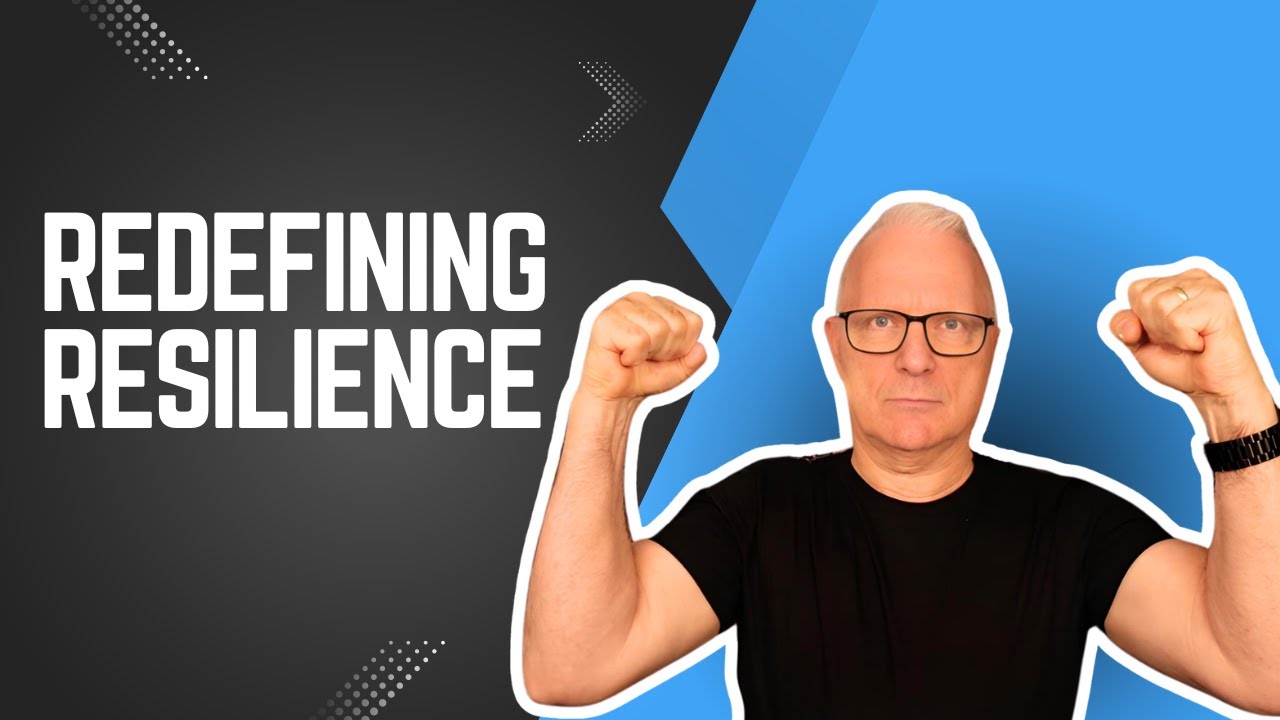
Redefining Resilience
SUMMARY
Have you ever had people tell you to toughen up, eat a cup of concrete, or to build a bridge and get over it? None of that's helpful, is it? Far too many people, everywhere I go, are trying to be more resilient. It's a buzzword that gets used a lot, and unfortunately, I believe the way it is perceived is a major part of the problem.
There are 4 types of resilience that I want to cover with you this month: physical resilience, emotional resilience, mental resilience, and social resilience.
Well, that's it from me for another week. Join me again next week as we continue this conversation where we'll start working on your physical resilience. I'll see you then.
TRANSCRIPT
Have you ever had people tell you to toughen up, eat a cup of concrete, or to build a bridge and get over it? None of that's helpful, is it?
Hi, this is Grant Herbert, leadership and sustainable performance coach, and today I want to shift the focus to people leadership areas of the 9 crucial shifts we've been working on by helping you to redefine resilience.
One of the key challenges I work on with people all around the world is burnout. There's this hustle-and-grind mentality, where people work at high levels of performance for long periods of time, neglecting every other area of their life, particularly their health.
So, as we step into this area of resilience this month, I want to give you some key understandings around how you can be more resilient, but in a different way — one that will allow you to navigate this fast-changing world without burning out.
I know a lot about this subject. I've had several physical and mental breakdowns in my 40-odd years in the workforce.
One of the key problems I see is toxic conditioning, where people are led to believe that they need to harden up. These beliefs tap into the 3 universal fears: the fear of not being enough, the fear of not belonging, and the fear of not being loved.
So, let's redefine what resilience is. It's not about toughening up, being superhuman, hardening up, being stoic, or showing no fear. It's about being the best version of yourself in your current circumstances. It's about embracing uncertainty rather than letting change and the unknown affect you negatively.
The key element of resilience that I want to stress today is asking for help. Asking for help is a strength, not a weakness. My new mantra is to ask for help early and often.
There are 4 types of resilience that I want to cover with you this month:
The first one is physical resilience, which relates to how your body handles the journey you are on.
Then there's emotional resilience. You need to navigate your emotions in a healthy way.
The third area is mental resilience, which is about protecting your mind and being mentally strong.
Lastly, there's social resilience. This is about being able to interact with other imperfect humans in a way that energises rather than depletes you.
Well, that's it from me for another week. Join me again next week as we continue this conversation where we'll start working on your physical resilience. I'll see you then.
Watch or listen to this episode


